
Solo
One tech
$87.50/mo
$17550% off launch
Decide which calls need a person and which need a clear process.
A live receptionist and an AI answering flow offer different strengths. Treat the choice as an operating decision: the kinds of calls you receive, the judgment they require and the coverage you need.
| Consideration | Live receptionist | Configured AI answering |
|---|---|---|
| Judgment | A person can use context and ask follow-up questions. | Behavior depends on the flow, instructions and limits configured. |
| Coverage | Depends on staffing or the provider’s agreed hours. | Depends on the answering service’s supported coverage and setup. |
| Complex requests | A person may suit exceptions and sensitive conversations. | Needs clear boundaries and an agreed path for unresolved requests. |
| Operating effort | Staffing or vendor management, training and handoff. | Configuration review, test calls and exception handling. |
| Cost comparison | Use an actual quote or your own staffing costs. | Use the current offer and your expected usage, not promised savings. |
Calls involving a dispute, an unusual service request or an unclear expectation may benefit from a person who knows your business. A conversational system should not be treated as a substitute for every kind of judgment.
A routine intake flow can be evaluated separately. Decide what information is needed and what the flow must leave for your team to confirm.
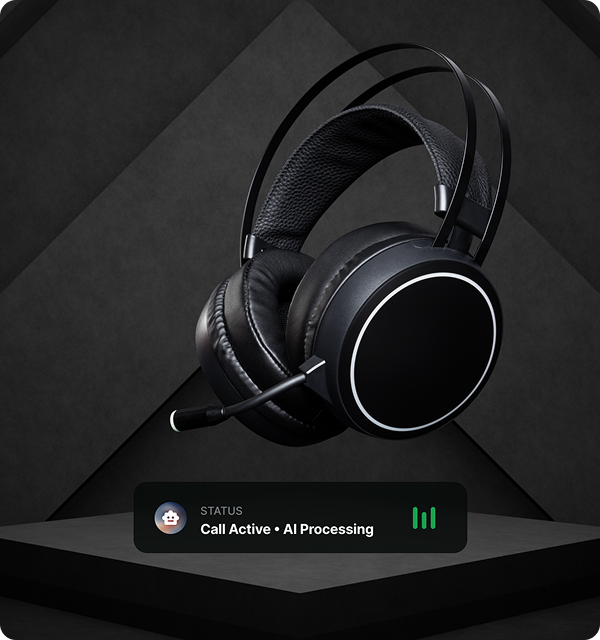
List the calls your business wants a person to handle and agree how those requests reach someone. Do not assume an integration, transfer or dispatch feature is available merely because it would be useful.
Revo’s published offer provides a starting point for pricing. Review the actual supported workflow with your team and confirm the details of the plan you are considering.
For a receptionist, use the staffing arrangement or a current provider quote relevant to your business. For an answering service, use the current price, included usage and the work your team will still perform.
Avoid comparing a hypothetical annual salary with a subscription as if they delivered identical service. Coverage, responsibilities and exceptions can make the two arrangements different.
For a receptionist or answering service, use your actual quote, coverage hours, included calls or minutes, and additional charges. No salary, competitor price or savings estimate is assumed here.
One tech
One crew
Multi-location
Review the details before choosing how your business handles calls.
Check the next stepThis page makes no universal cost claim. Compare current quotes, usage, coverage and responsibilities for your own operation.
Do not assume that. Reception work may include activities beyond phone intake, and automated flows have their own limits.
Yes. Plan which requests need human review and validate how the proposed setup supports that handoff before using it.
Compare plan features and the practical considerations for handling your calls.
Explore the plansRead the guides and compare your call-handling options.
Explore the plans